"It Takes a Village"
AD
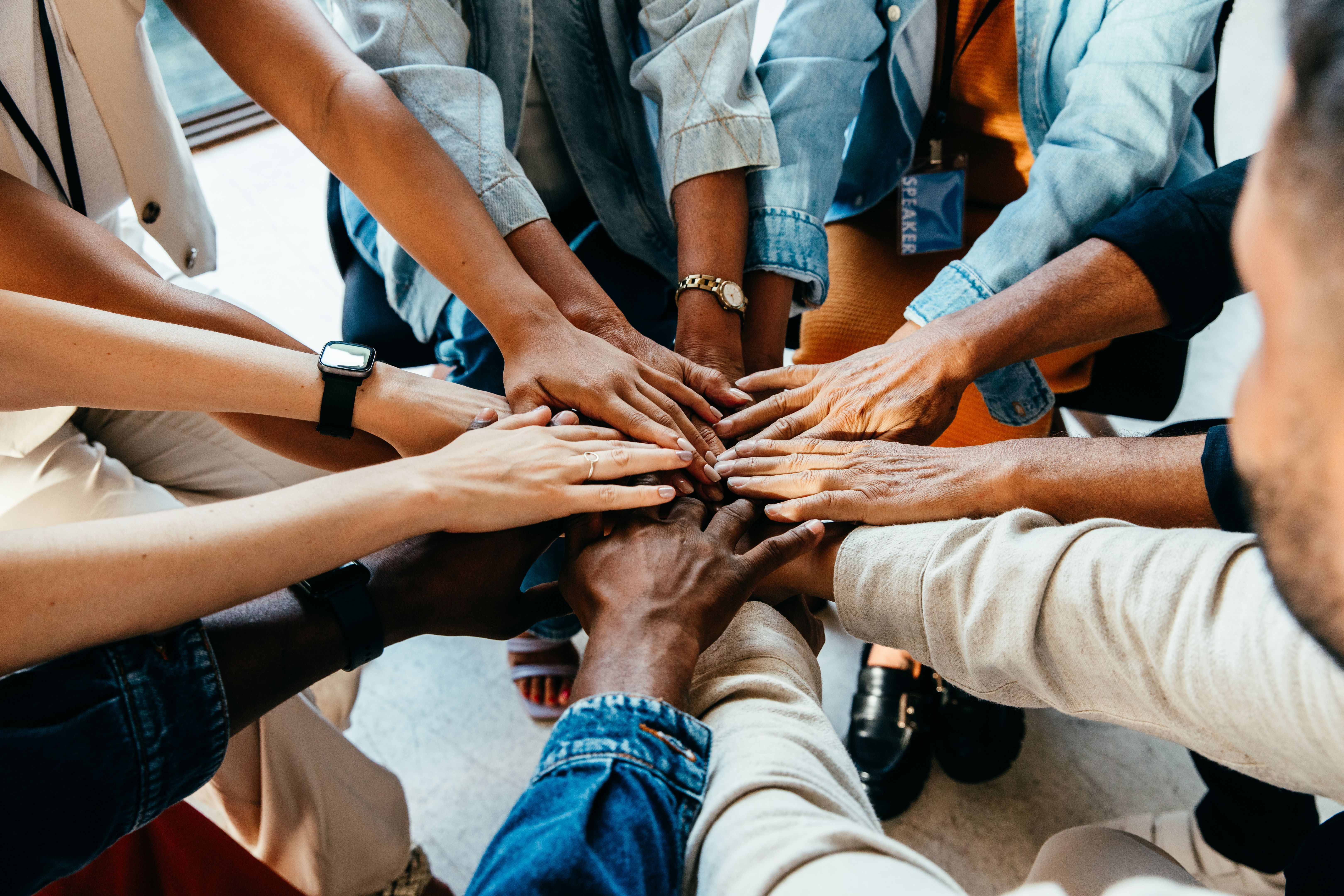
The well-known phrase “It takes a village to rear a child” is rooted in an African proverb that reminds us of a simple but powerful truth. Our children flourish when surrounded by care, consistency, shared responsibility, and love that extends beyond the walls of a single household.
This proverb applies to all children but especially to our children with special needs who require additional support. The village of support includes parents and caregivers, siblings and extended family, autistic self-advocates, educators and school staff, therapists and medical professionals, faith and community leaders, coaches and mentors, social workers and case managers, nonprofit organizations, policymakers and advocates, and trusted friends and neighbors who show up consistently.
The ADSC aspires be a part of the village. The reality that this vision is materializing became apparent to me in a deeply personal way during a recent planning meeting for the Autism Dads Social Club. One of our co-leaders brought their children along. As the meeting wrapped up and conversations slowed, his autistic child looked at me and casually referred to me as “uncle.” In that moment, my heart warmed.We are not related by blood or in a biological sentence. We do not share a last name. But we are brothers in autism. Calling me “uncle” was not accidental. It reflected familiarity, trust, and belonging among dads that has extended to our families. It was a quiet but profound reminder of what ADSC is truly about.
Four years ago we were strangers. Today we are building a social club and something bigger. At its core, ADSC is about community—about ensuring that our children know they are surrounded by a wide, extended family on the journey who care about them, see them, and will show up for them. I am honored not to be a stranger in her life. I am proud to be an unc or uncle. I am grateful that our kids are growing up knowing our faces, our voices, and our presence.
There is something beautiful about watching our children get to know one another—and us—as they grow. These relationships are forming in real time. They are learning that their world is not restricted but expansive. They have support beyond their immediate parents. For families navigating autism, community is not optional—it is essential.
Too often, parents feel isolated. Fathers, in particular, are told to be strong, silent, and self-contained. But our children need more than individual strength; they need collective care. They need adults who model connection, empathy, and mutual support. They need to see their parents leaning on others and standing together.
We must be intentional about cultivating community—not just for ourselves, but for our kids.
That means:
Showing up consistently
Allowing our children to be present in our spaces
Creating environments where our kids feel safe, known, and loved
When our children see us building community, they learn that they belong to something larger than themselves. They learn that help and mutual cooperation is normal. That connection is strength. That family can be chosen, grown, and sustained.
The village is not automatic. It must be created—carefully, patiently, and with purpose.
At ADSC, that is the work we are committed to doing. For our families. For our children. And for the next generation that will one day look around and know, without hesitation, that they were never alone.
Children thrive in environments where they feel loved and supported. Communities that foster strong connections among families and neighbors create a network of care and support. This network helps children develop self-esteem, resilience, and empathy. Positive interactions with community members teach children how to build relationships and manage emotions effectively.
Communities that celebrate diversity and promote inclusivity teach children to appreciate differences and embrace various cultures and perspectives. This understanding fosters a sense of acceptance and cooperation among children.
Moreover, having access to trusted adults outside of the family can offer additional emotional support. Teachers, mentors, and community leaders can all provide guidance and encouragement, helping children navigate the challenges they face as they grow.